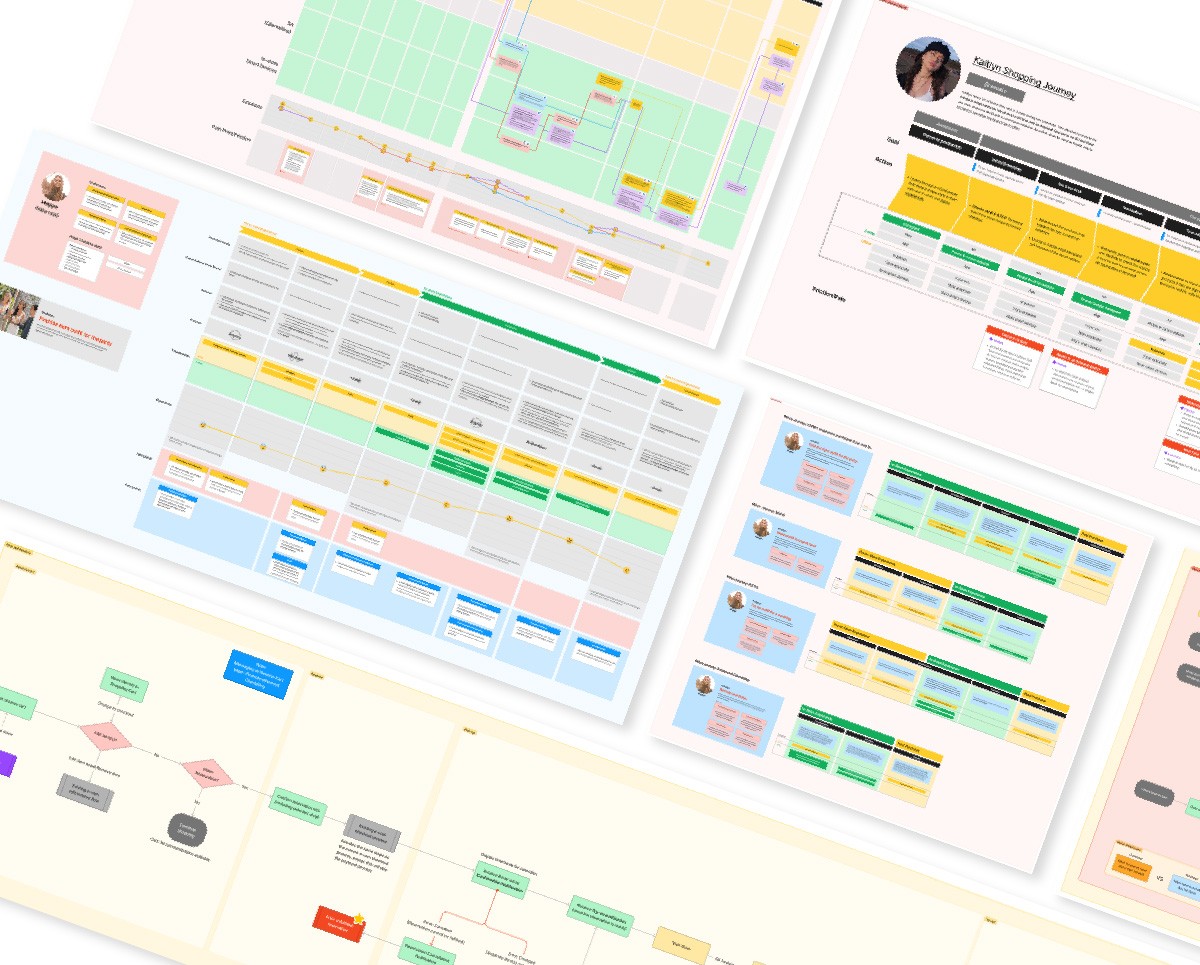
Process overview
Research
Design Artifacts
Materialize
Primary research
Business insights
User interviews
Online survey
Secondary research
Shopping behaviors
Online comments
Competitor research
Persona
Define segments
Gen Z
Millennials
Journey
Identify touchpoints
Segment-specific
Service-specific
Holistic, macro, micro levels
Propose MVP
Define MVP
Design user flows
Design mockups
1
Shifted Customer Expectations
The COVID-19 pandemic has shifted customer expectations in apparel retail towards omni-channel shopping, focusing on seamless, safe, and convenient experiences.
2
Meeting Diverse Customer Needs
ESPRIT faces the challenge of understanding and addressing the diverse needs of its target demographic while optimizing shopping experiences across various channels.
3
Strategic Omni-Channel Initiatives
The decision was made to focus on BOPIS, BORIS, ROTIS, in-store purchase and ship to home, and clientelling, given company capabilities.
Questions
Tell me about your last online order?
What shopping method do you prefer?
What did you like about this experience?
Anything annoyed you about it?
Did you return? How did it go?
Anything you'd like to add?
Responses
I like that the store has in-store return, simply because online return is annoying, due to all the hassles I had to deal with, such as shipping labels.
I like to go to the store and have a feel of the product before buying it.
I had a lot of returns due to the shipped products not meeting expectations.
Long online response time really annoys me.
Estimated shipping time are usually inaccurate and unpredictable.
The inconvenience of returning makes me not want to buy from the seller again.
Main References





1
Shifted Customer Expectations
The shift to online-first shopping post-pandemic exposed Esprit’s gap in omni-channel capabilities, impacting competitiveness.
2
Unmet Online Expectations
The absence of an online reservation system for in-store pickup causes customers to turn to competitors offering more convenient digital options.
3
The importance of try-on
Lack of in-store try-ons in online shopping leads to sizing issues, high returns, and increased anxiety.

Bio:
A tech-savvy, open-minded trailblazer seeking new experiences online. A habitual browser, she's impatient and easily distracted, driven by instant gratification.
Goals and Motivations:
To be on top of the latest styles and trends
To be entertained, find excitement, and kill time while shopping
Engaging visuals
Brands that understand her
Convenience and flexibility
Pieces that elevate her look
Good deals
Challenges:
Having to spend too much time comparing products and figuring out what she wants out of a sea of options
Lack of personalized recommendations and content to keep her excited
Slow-moving lines and processes that delays her from getting the product

Bio:
'Digital First,' mid-life, and values time efficiency. Often overworked, she's an intentional and purpose-driven shopper. She seeks brands aligning with her values, making thoughtful purchases that contribute to a greater good.
Goals and Motivations:
To update her wardrobe to satisfy her changing of style and stay current at the same time
Curate a capsule wardrobe that is versatile, functional, and reflects their personal style.
To represent her personality, therefore boosting her confidence
Engaging visuals
Brands that she feels understand her
Convenience and flexibility
Pieces that elevate her look
Good deals
Challenges:
While she is less price-sensitive overall, good quality and fit usually comes with a price
Unless brand loyalty has been established, she avoids buying clothes from online, to avoid disappointment
Not one to venture out of her comfort zone
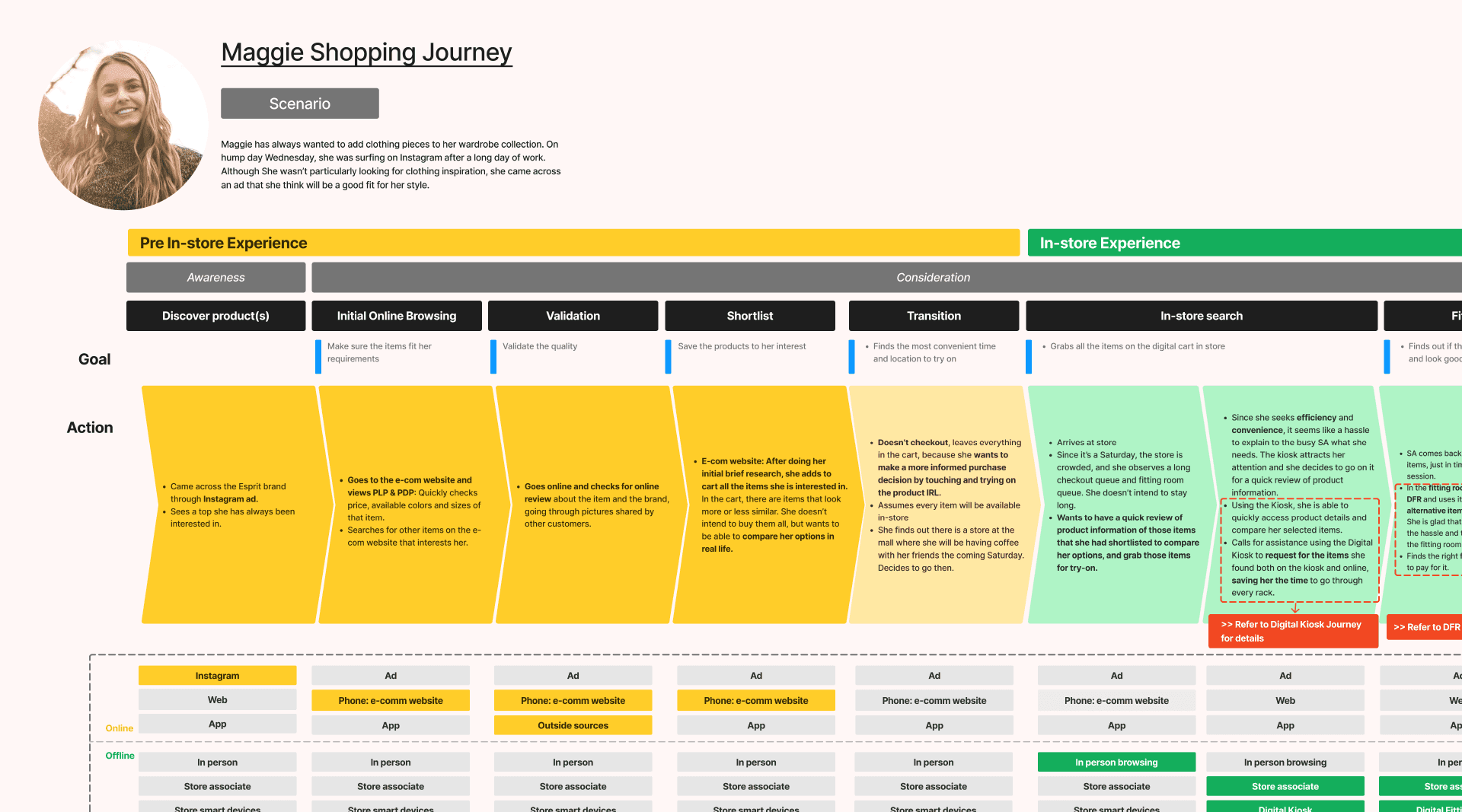
We began by analyzing the individual generic shopping journeys for each persona to identify potential friction and pain points at every touchpoint through their goals, actions and rationalities.
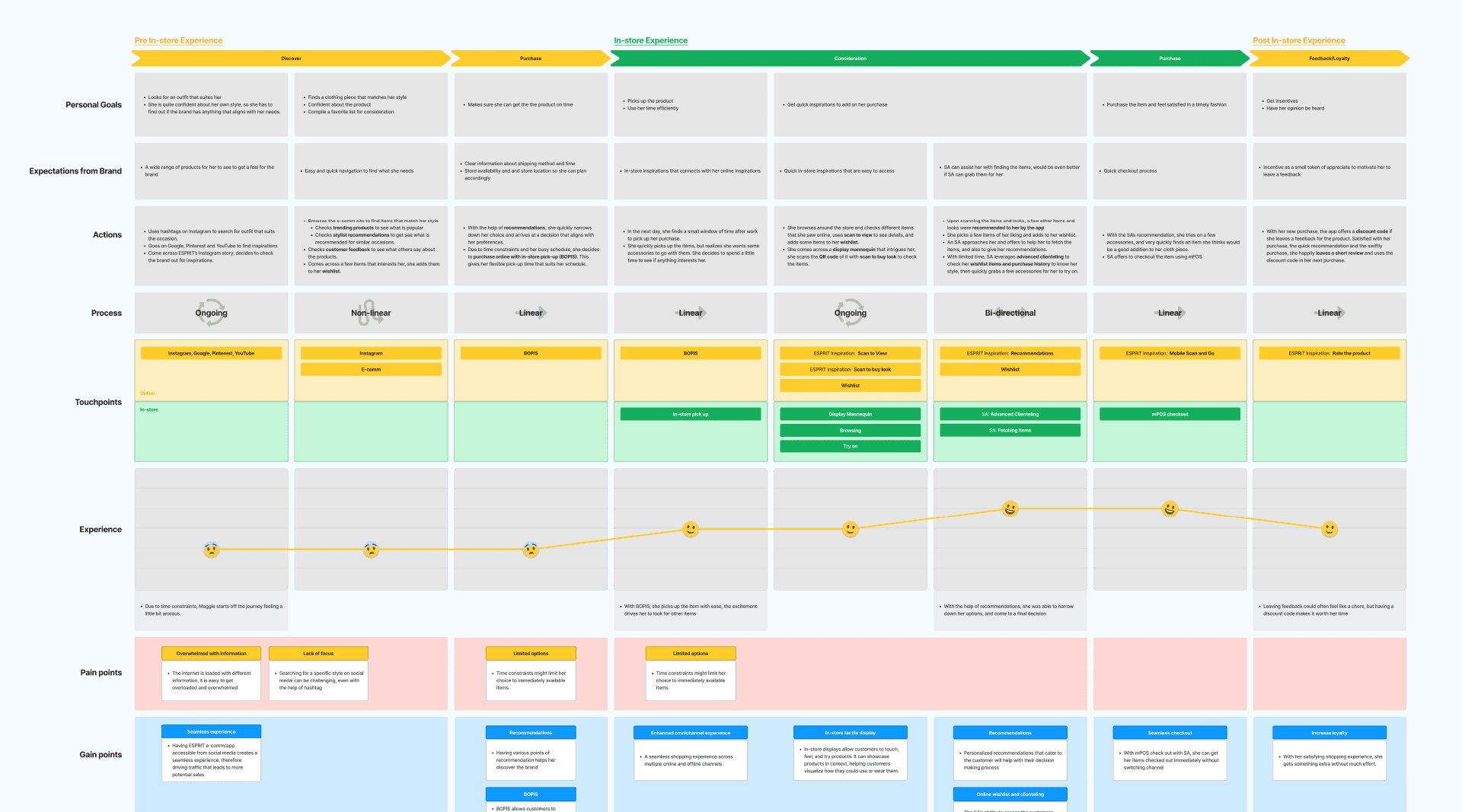
Closely analyzing the goal, process, emotion, pain point, gain point, etc., of each step allows us to deeply empathize with our customers, leading to service improvements and stronger relationships.
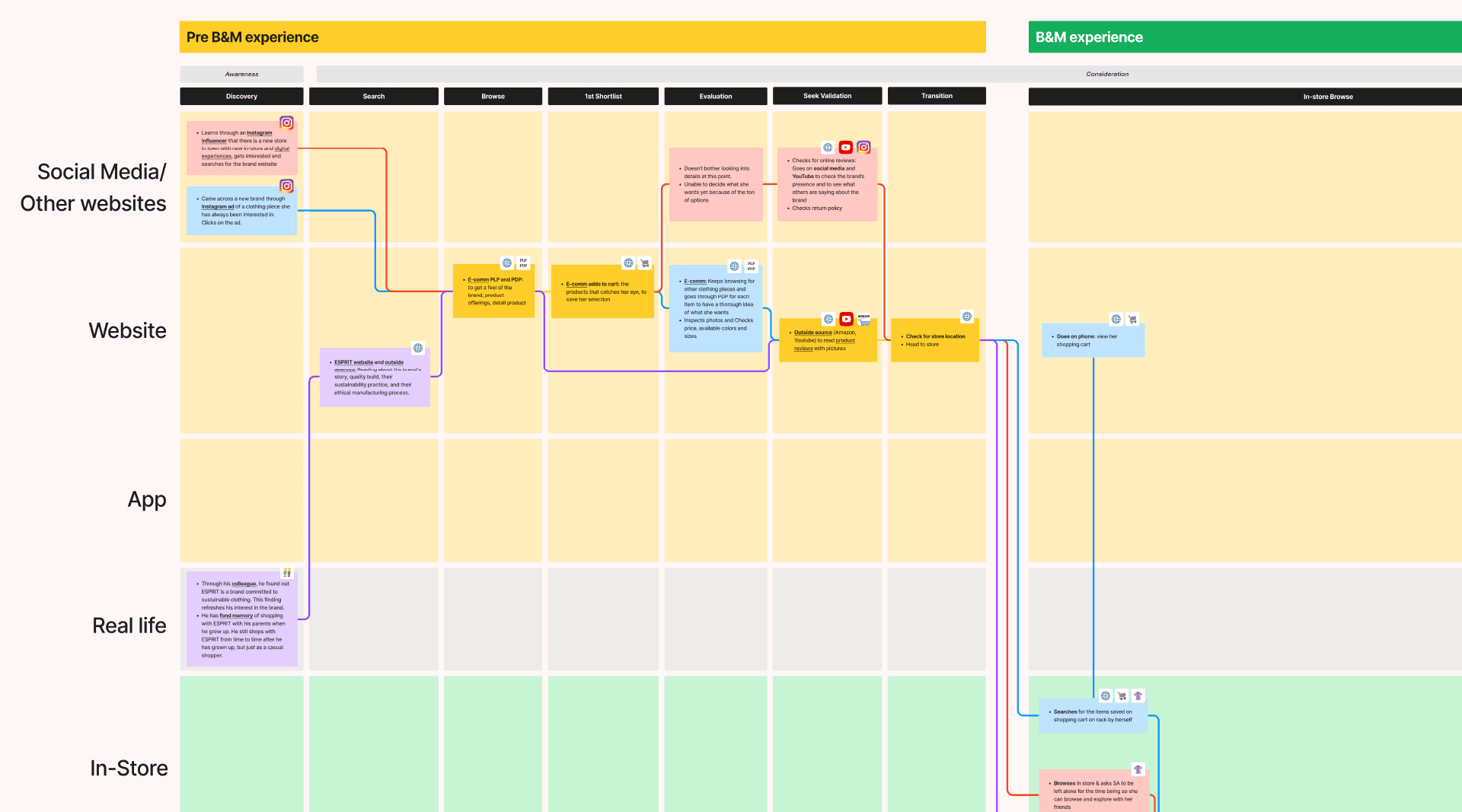
We also created a holistic journey putting all 3 individuals into one combined map to identify touchpoints and their emotion changes throughout the journey.
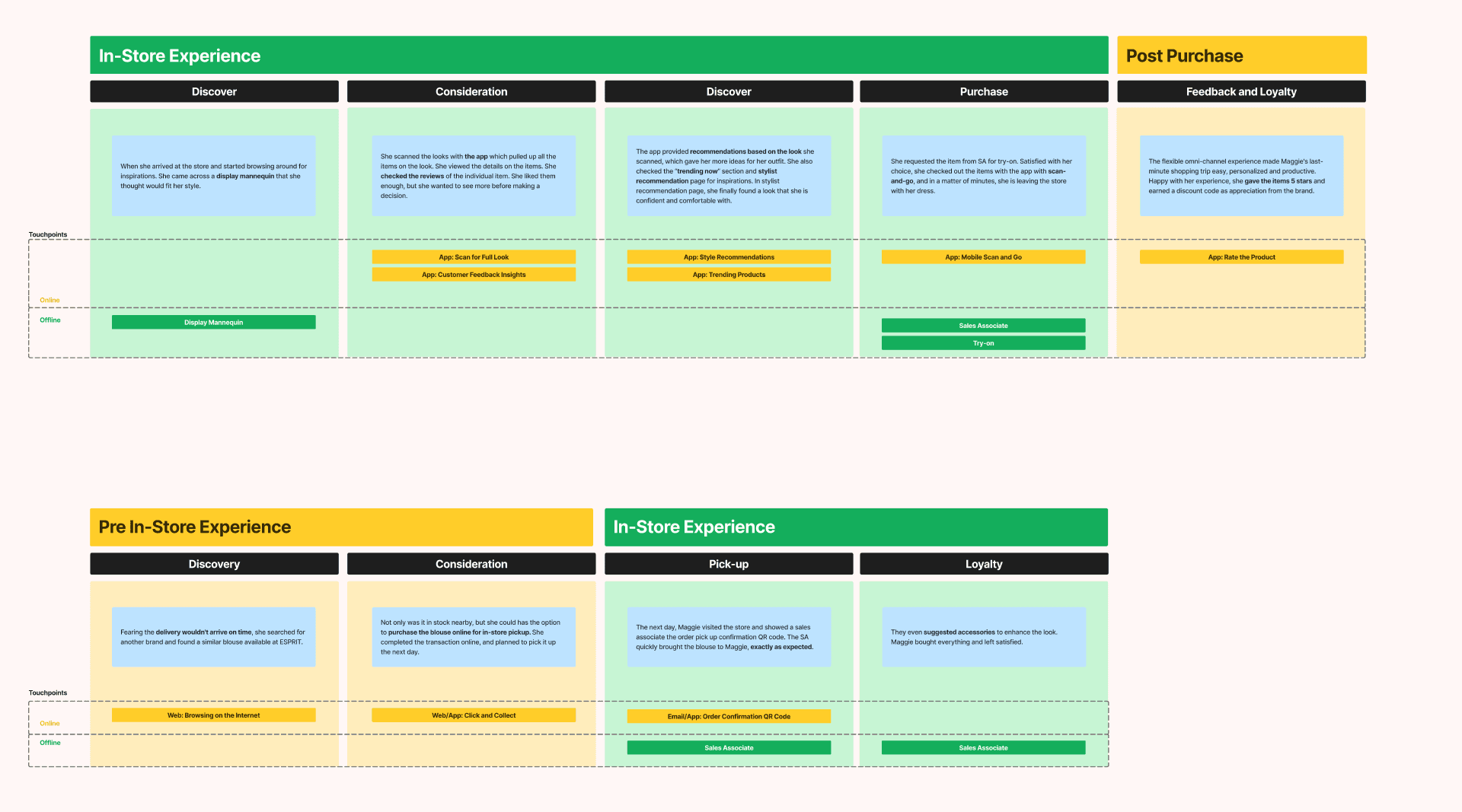
Delving into the micro-levels of the journeys allows us to meticulously craft each touchpoint of the service, ensuring a consistent and high-quality experience that meets user needs at every interaction.
1
Online first behavior
Beginning the buying journey online—whether to shop or research—is now the predominant choice.
3
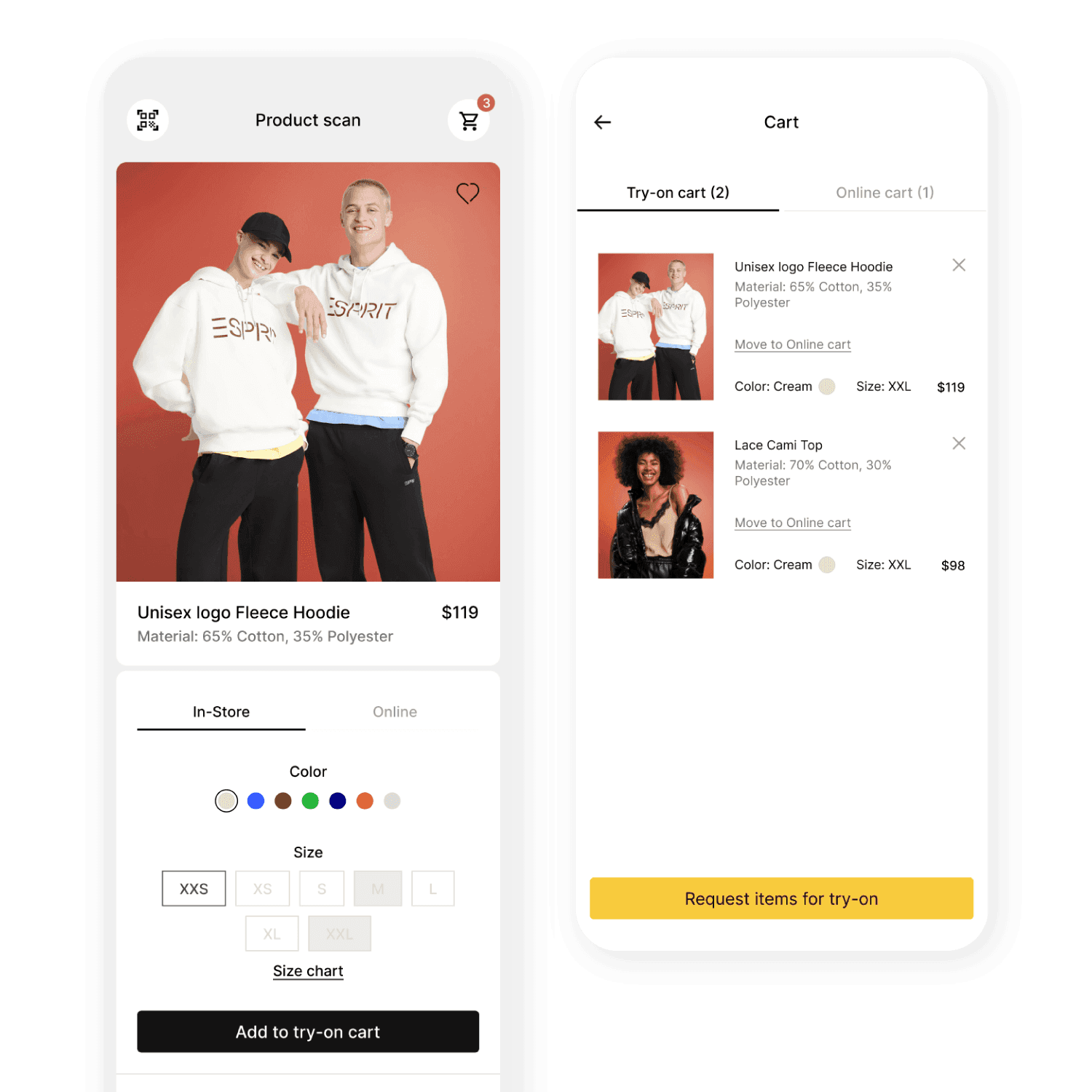
Increased Store Traffic
Improves experience by combining personal attention with try-before-you-buy convenience.
1
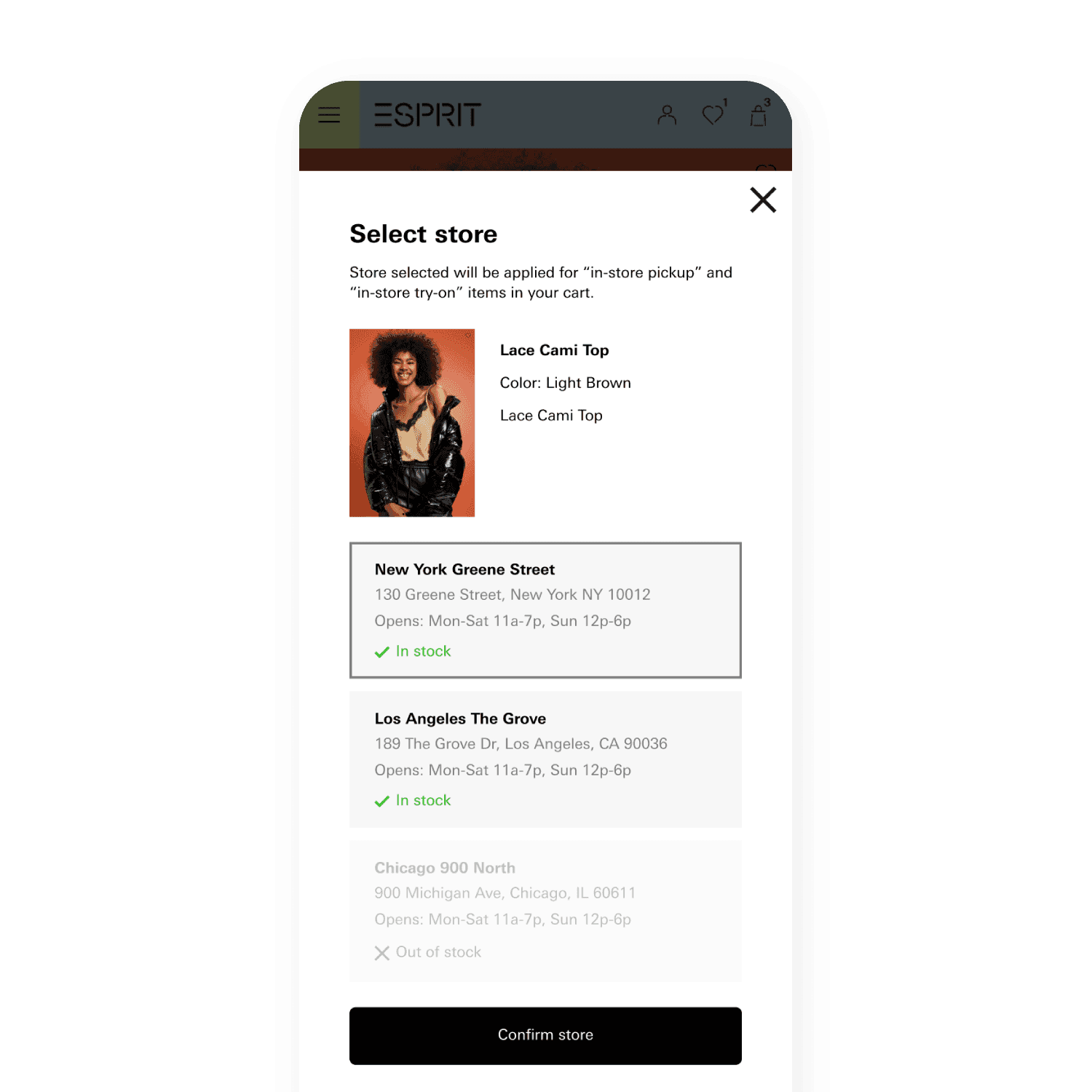
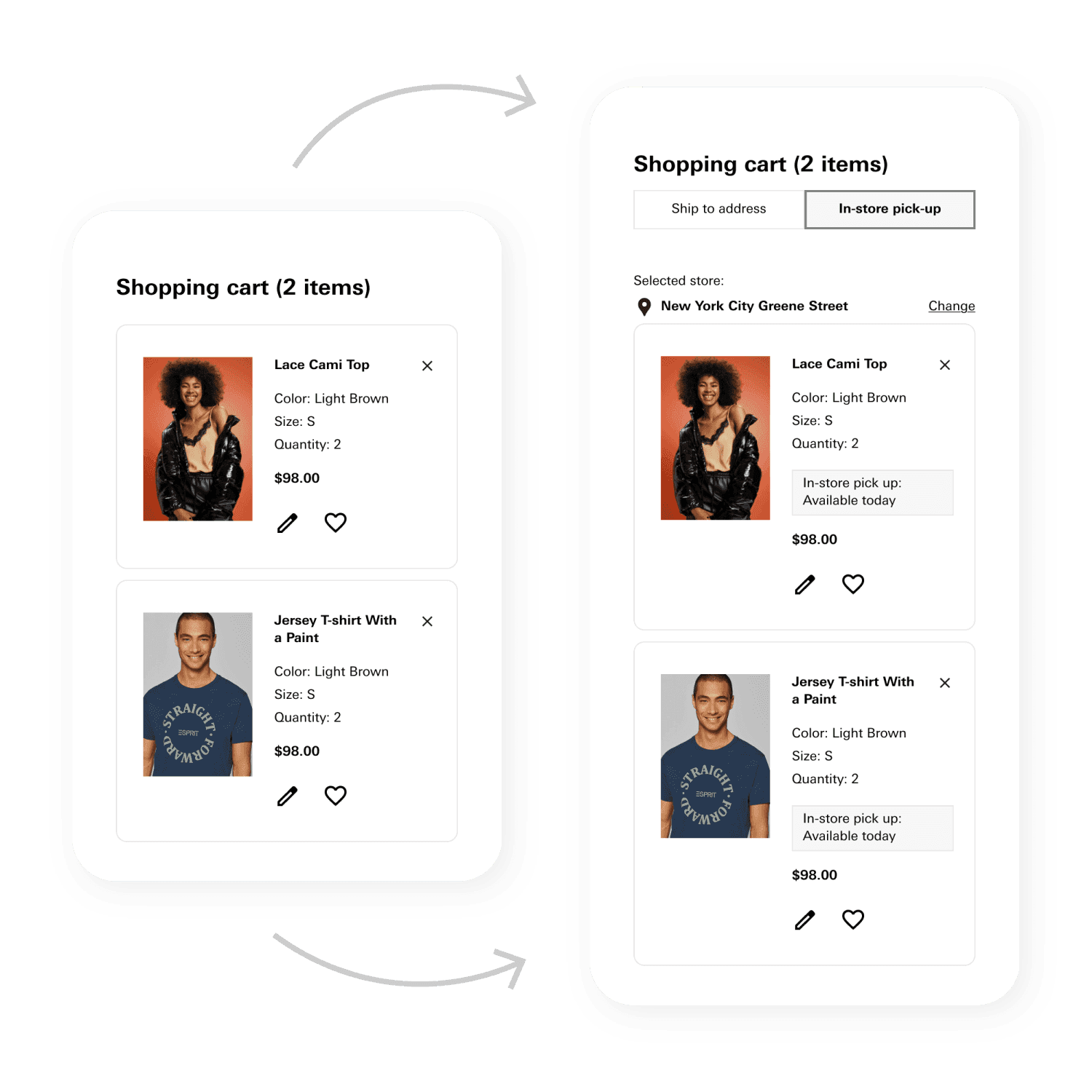
BORIS (Buy Online Return In-store)
Fosters trust and encourages online purchases by removing return-related anxieties. This leads to increased satisfaction and loyalty.
2
ROTIS (Reserve Online Try In-store)
Allows customers to experience products before committing, leading to higher conversion rates and reduced return rates.
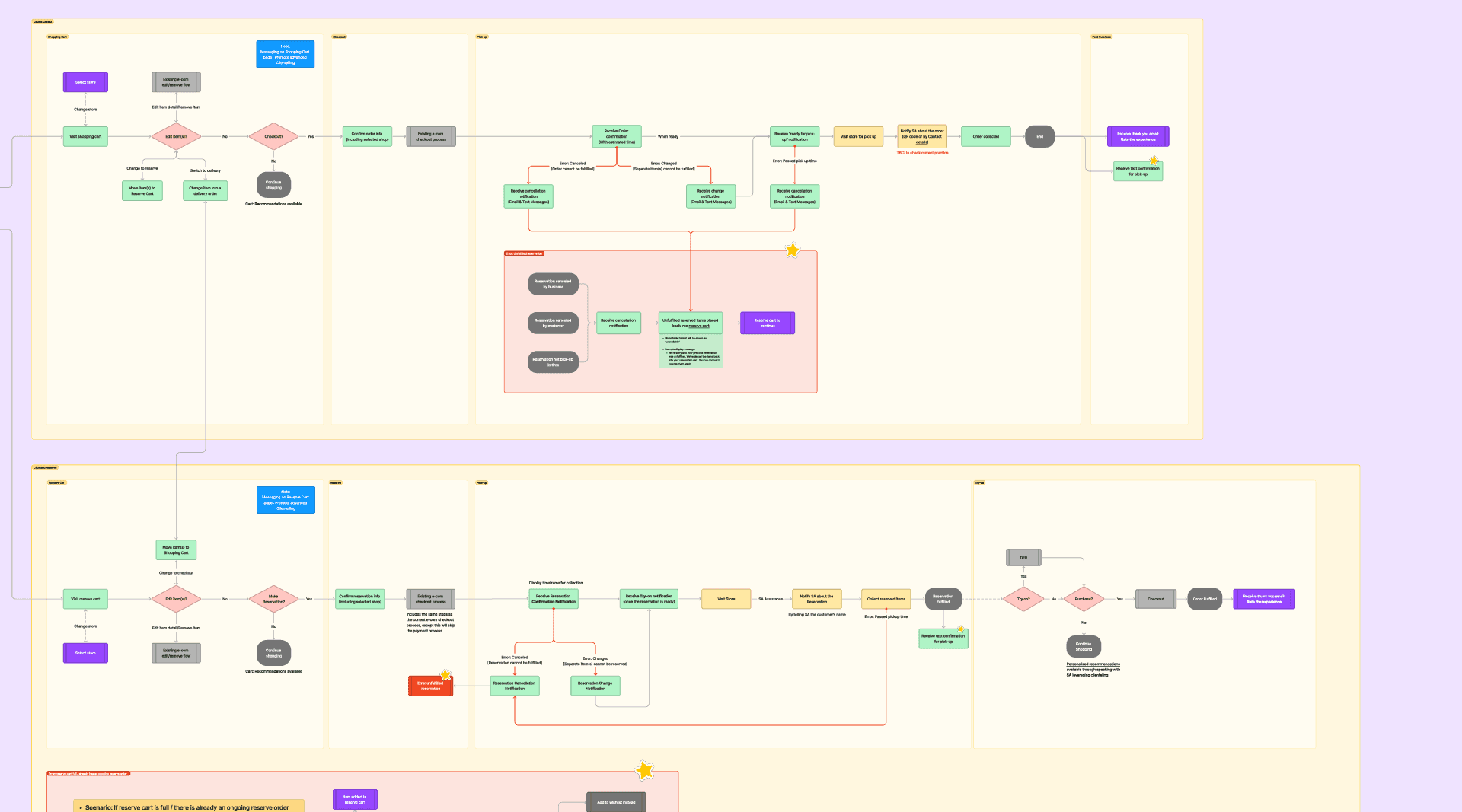
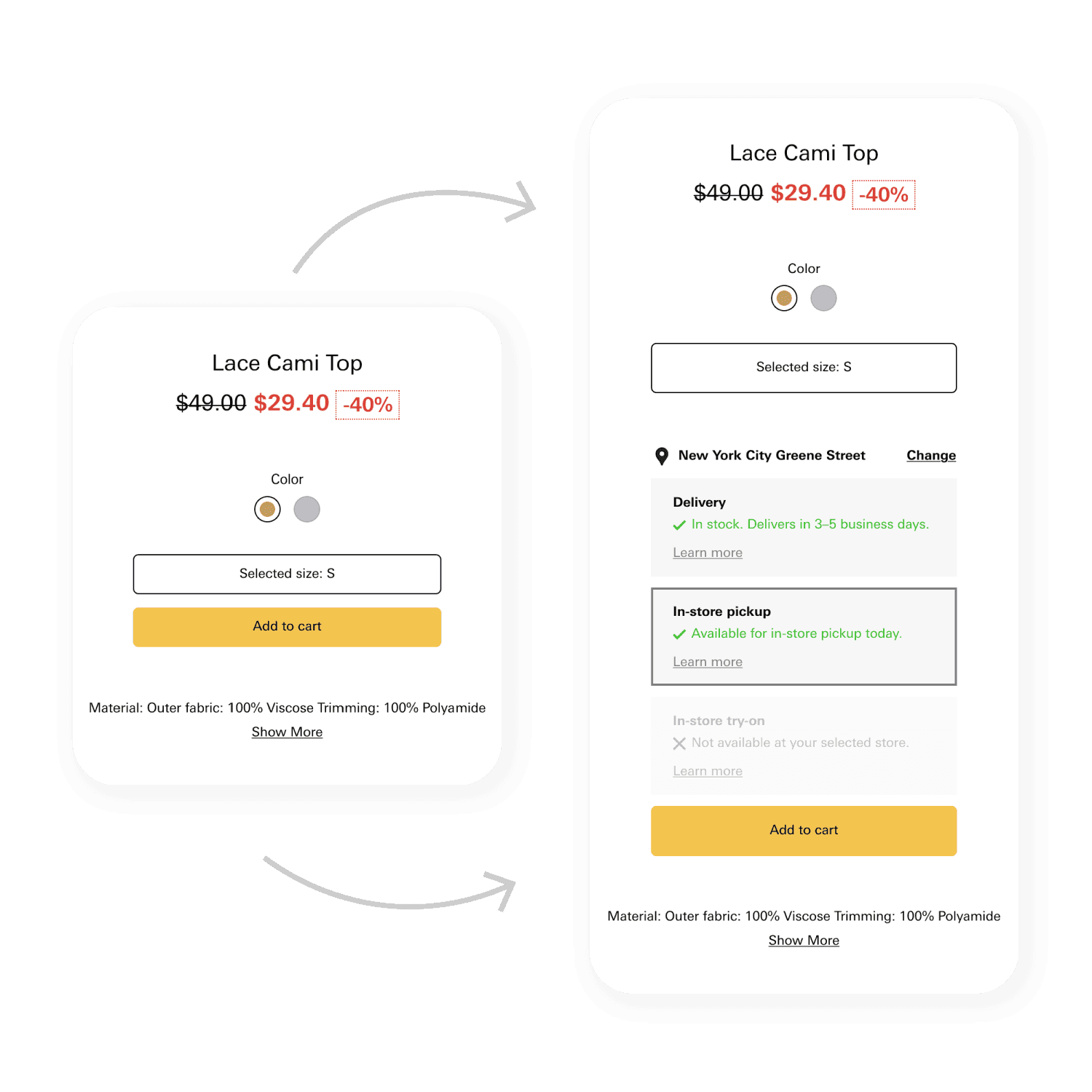
Reflections and Learnings
New Challenge, New Insights: My previous UI/UX experience primarily focused on designing on-screen solutions, which typically addressed singular digital touchpoints. This project pushed me beyond on‑screen UX into omni‑channel design, requiring a holistic view of customer journeys across online and offline touchpoints. Balancing macro perspectives with micro details broadened my approach, deepening my understanding of how customer experience and business goals align.
The Value of Targeted User Interviews: While surveys capture broad quantitative data, user interviews uncover deeper insights through open-ended discussions. Since our project targeted California as the initial launch for omni-channel services, I deliberately engaged users in the US to reveal motivations, pain points, and nuanced behaviors often missed by surveys. These insights were vital for developing effective, user-centered solutions.
Project Conclusion Amid Business Challenges: In mid‑2024, Esprit’s closure ended our omni‑channel project early. However, my research and our team's stakeholder outreach laid essential groundwork for proving its strategic value. The project strengthened my adaptability, resilience, and ability to connect user insights with business needs, leaving a legacy that may inspire future initiatives.
Collaboration Across Roles: In our small team of 4, the 2 of us designers took full ownership of both the user research phases and the user experience design work. Collaborating closely throughout this process was incredibly rewarding—it deepened my skills and fostered a strong sense of shared ownership. Together, we navigated challenges, shaped insights, and translated them into cohesive omni-channel experiences. This partnership reinforced how essential close collaboration between designers is to driving clarity, alignment, and impactful solutions within a broader team.